About Us
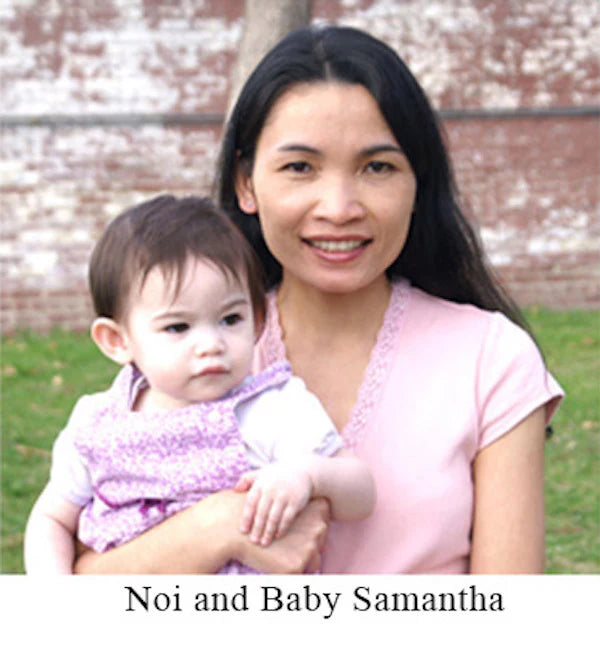
Sam Hober is where traditional craftsmanship met modern design when Noi and David married, before dawn in the village of Sokgnuluam, Thailand. (Mischief also met intelligence but that’s another story.)
Incidentally, Sokgnulam means "the village of the pythons," but there are very few left so the wedding proceeded peacefully.
Noi’s mother Kumpai liked David very much and thought that he looked splendid in his crisp white linen suit. But David seemed just a bit on the serious side and not very Thai.To alleviate this problem Kumpai had some Thai clothes made for him from her best mudmee silk - made by tying and dyeing the silk yarn by hand before weaving.
The women in Noi’s family have been in the silk business for a very long time. Recent finds by archeologists indicate silk making in Thailand dates back some 4.000 years, making Thai silk the oldest in the world.
At least that's what Noi's family says.
Meanwhile, Kumpai’s plan worked. David not only looked better in Thai silk - he also felt better.
There was even talk of his becoming a mulberry tree farmer, and taking the late-night shift feeding the silk worms their mulberry leaf rations. Silk worms get very hungry, especially at night.
This talk soon faded, one thing led to another and now we have a website. At first the business was named Mulberrywood and then when Samantha was born the name changed to Sam Hober.
Noi and David share the design work, and David handles the business side of things. In Thailand, we grow raw silk for our silk fabrics, and weave with local artisans.
It is all about a merger of marriage and family. Sam Hober was formed after Noi [David’s wife] and I married when my mother-in-law gave me some silk that she had woven as a wedding present. Noi made some ties for me which I wore in Denver – and received compliments for – and then we started making the ties for sale.
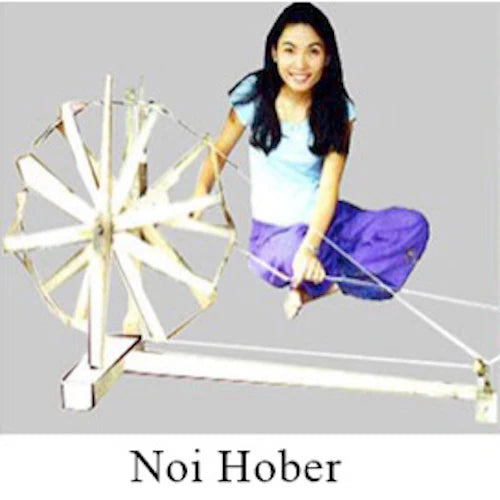
Noi grew up in Thailand in a traditional silk weaving family. As is the custom in Thailand, the women in the family dyed and wove silk. The silk designs that Noi’s family worked with originally came from Laos and the northeast of Thailand. And the family wove silk in the province of Chaiyaphum and later around 80 years ago moved to the province of Korat. Until recently silk weaving was a very common practice in farming communities with the mulberry bush being grown for feeding the silk worms.
When we first started making neckties we were still active in growing mulberry, as well as reeling and dyeing silk by hand which we then wove by hand. Currently our focus has shifted to making neckties with silk imported from Italy and England. My fathers’ business was based in New York where he made women’s clothes for large department stores. I grew up spending time in our factories on the weekends.
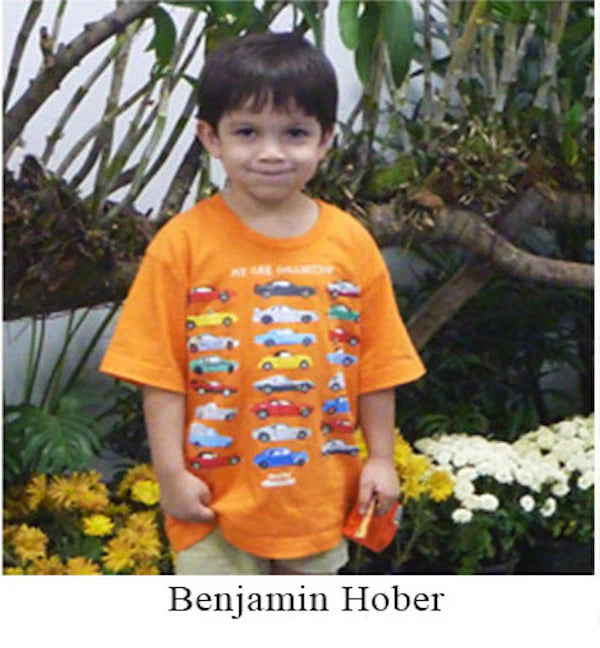
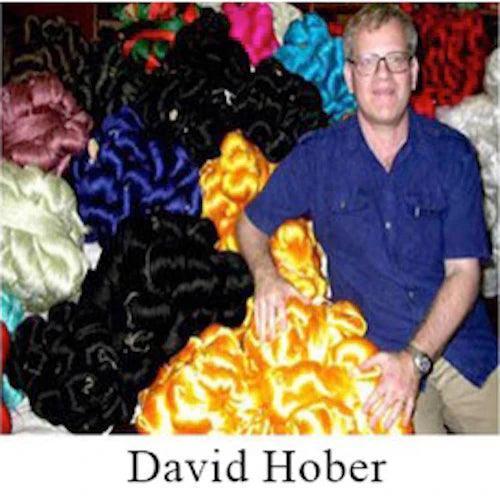

The modern Sam Hober Company is a merger of two family traditions: the David Hober company, a New York based clothing company with factories in the US and overseas which was founded by David's father Mark Hober in 1959.
And on Noi's side a centuries old family tradition of weaving silk by hand in Isan, Thailand.